
Google Cloud Skills Boost: A Business Decision Guide
Google Cloud skill boost is useful when your organisation needs structured, hands-on learning for clearly defined cloud, data, security or AI roles. It should not be the first purchase made simply because a migration, analytics programme or generative-AI initiative is starting. Begin by identifying the business capability that must improve, the people who will own it and the work they must perform safely after training. A catalogue of courses cannot correct an unclear operating model, poor data quality, unresolved access controls or an architecture that teams do not understand.
Google now presents its wider learning environment through Google Skills, while many people still search for and recognise Google Cloud Skills Boost. The practical decision remains the same: use the platform for guided learning and controlled labs; add internal mentoring, workplace projects or specialist consulting when the goal is reliable production capability.
A short diagnostic is appropriate when roles, priorities or readiness are uncertain. A defined capability project is justified when learning paths, sandboxes, governance, mentoring and assessment need to be designed together. Ongoing support is useful only when the technology estate, use cases and workforce needs continue to change.
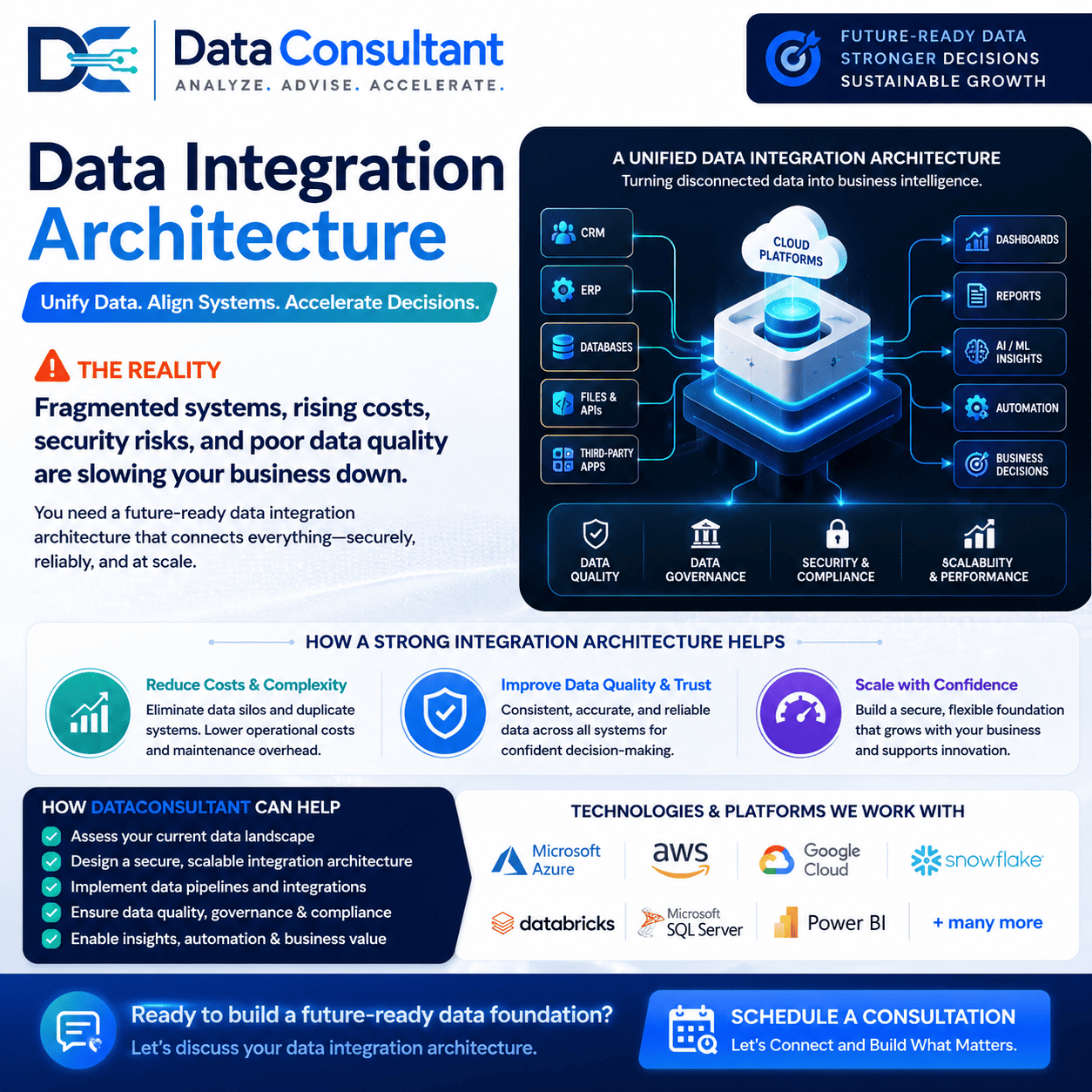
Quick Answer: Use It for Defined Skill Gaps
Choose Google Cloud Skills Boost when learners need role-based content, guided practice and temporary cloud environments without building every exercise internally. Official learning resources include paths, courses, labs and credentials covering cloud infrastructure, data engineering, analytics, security, application development and AI.
Do not rely on the platform alone when success depends on company-specific architecture, production data, operating controls, stakeholder decisions or cross-team delivery. In those situations, combine the learning platform with internal experts, a defined implementation pilot or external advisory support.
The decision rule is straightforward: if the gap is knowledge and safe practice, a learning path may be enough. If the gap is unclear requirements, weak data foundations or missing ownership, diagnose and fix those conditions before scaling training.
Key Takeaways
- Define the capability first: link each learning path to a role, business outcome and observable work product.
- Check data and cloud readiness: training cannot compensate for inaccessible data, unstable environments or unresolved architecture decisions.
- Retain internal ownership: business, platform, data, security and line managers must own priorities and application.
- Budget beyond subscriptions: learner time, mentoring, sandboxes, administration and workplace assessment often matter more than licence price.
- Build governance into practice: use least privilege, separate training environments, cost controls and approved datasets.
- Measure applied capability: badges and completion are useful signals, but real work quality and safe execution matter more.
- Plan knowledge transfer: internal leaders need reusable pathways, standards, review methods and ownership after external support ends.
Table of Contents
- Decide what capability must improve
- Check cloud and data readiness
- Compare learning and support options
- Set access and governance requirements
- Pilot learning before scaling
- Estimate cost and resources
- Measure workplace capability
- Apply the decision to examples
- Decide where consulting fits
- Summary
Start with the Cloud or Data Decision
The platform is most valuable when a team can state what learners must do differently. “Learn Google Cloud” is too broad. “Build and operate governed BigQuery pipelines”, “secure workloads using approved identity patterns” or “prepare analysts to use Vertex AI within defined risk controls” are more useful capability statements.
Separate training needs from delivery problems
Training is appropriate when people lack knowledge, confidence or repeatable practice. It is not the primary remedy when the target architecture is undecided, environments are unavailable, data ownership is disputed, migration scope keeps changing or project teams have no time to apply learning.
Ask each sponsor: what should a learner be able to configure, analyse, explain, review or troubleshoot within 30 days of completing a path? Then identify the evidence required. This might be a reviewed pipeline, an access design, a cost-optimisation recommendation, a dashboard backed by agreed metrics or a secure deployment in a sandbox.
Choose role depth deliberately
Executives may need cloud economics, risk and decision literacy. Data analysts need governed query, modelling and visualisation skills. Data engineers need ingestion, orchestration, quality and operations. Platform engineers need networking, identity, reliability and automation. Security teams need monitoring, posture and response. A single mandatory path for every role usually creates low relevance and weak application.
Google's official training resources and learning paths can help identify available content, but the organisation must still map that content to its own roles and priorities.
Check Cloud, Data and Ownership Readiness
You do not need a perfect environment before learning begins, but you need enough clarity to make practice safe and relevant. Assess readiness across business goals, platform direction, data quality, access, governance and internal ownership.
| Readiness area | Minimum condition | Warning sign | Action |
|---|---|---|---|
| Business objective | One or more priority use cases are agreed | Training is justified only as general transformation | Run a short capability diagnostic |
| Role ownership | Managers know who will apply each skill | Learning is assigned without protected time | Define role outcomes and manager responsibilities |
| Platform direction | Core Google Cloud services and architecture principles are understood | Teams are training on products that may not be adopted | Confirm the target architecture first |
| Data readiness | Representative data and agreed definitions exist | Learners cannot reconcile basic metrics | Address data quality and ownership |
| Security and access | Training identities, permissions and budgets are approved | Production access is used for practice | Create controlled sandboxes |
| Internal ownership | A sponsor and technical owner will review application | No one owns post-course adoption | Assign accountable owners before launch |
If several warning signs apply, postpone broad enrolment. A limited discovery phase can clarify the operating problem, identify foundational data work and build a staged roadmap.
Compare Platform Learning with Other Options
Google Cloud Skills Boost is one component in a capability system. Compare it with internal delivery, instructor-led learning, a consulting-led pilot and ongoing specialist support according to the actual problem.
| Option | Best fit | Expected outputs | Internal requirement | Main risk |
|---|---|---|---|---|
| Internal self-study | Clear individual gap and strong self-direction | Course completion and personal practice | Protected time and manager follow-up | Learning remains disconnected from work |
| Google Cloud Skills Boost | Role-based content and guided hands-on labs are needed | Paths, labs, skill badges and progress records | Path curation, mentoring and workplace application | Badges are mistaken for production competence |
| Instructor-led training | Teams need live explanation and coordinated learning | Structured sessions, demonstrations and discussion | Attendance, prerequisites and practice time | Knowledge fades without applied tasks |
| Short diagnostic | Roles, priorities, architecture or readiness are unclear | Capability map, gap assessment and prioritised roadmap | Stakeholder interviews and evidence access | Recommendations stall without ownership |
| Defined consulting project | Learning must connect to a migration, data platform or governed use case | Role pathways, pilot, standards, assessments and handover | Business, data, cloud and security participation | Scope expands without acceptance criteria |
| Ongoing specialist support | Use cases and technologies change continuously | Coaching, reviews, updated pathways and delivery support | Regular prioritisation and internal counterpart | Dependency grows if knowledge transfer is weak |
A hybrid model is often practical: use the official platform for scalable foundational and product learning, while internal experts or consultants provide organisation-specific context, review and implementation support.
Set Access, Security and Data Requirements
Hands-on cloud learning should be treated as a controlled technical activity. Even when labs provide temporary credentials, your internal practice, follow-on assignments and workplace projects need clear boundaries.
Prepare the technical environment
- Use separate training, development or sandbox projects rather than production environments.
- Apply least-privilege roles and time-bound access where practical.
- Set budgets, quotas, alerts and ownership for any organisation-funded cloud resources.
- Use anonymised, synthetic or carefully minimised datasets for practice.
- Document approved services, regions, network patterns and data-handling rules.
- Provide escalation routes for lab failures, access problems and unexpected costs.
Connect training to governance
Learners should understand why controls exist, not merely how to click through a lab. Include identity, logging, encryption, retention, data classification, model risk, privacy and operational review in role pathways. Google's official Sensitive Data Protection lab guidance demonstrates how product learning can be tied to a specific governance capability.
For subscription and credit administration, use the current Google Skills subscription guidance. Plan details and entitlements can change, so verify them before procurement or learner communications.
Pilot a Role Path Before Scaling
A pilot should test workplace application, not just learner satisfaction. Select one or two roles, one priority use case and a manageable set of modules. Confirm prerequisites, assign mentors, provide safe practice access and define the work output that will demonstrate capability.
Use a five-part pilot
- Diagnose: define the business problem, roles, current skills and readiness constraints.
- Curate: select a focused learning path rather than assigning the whole catalogue.
- Practise: complete hands-on labs and discuss how the lab differs from the organisation's architecture.
- Apply: deliver a supervised workplace task in a controlled environment.
- Review: assess quality, security, explainability, operational support and knowledge transfer before scaling.
Typical pilot deliverables include a role-capability map, curated path, prerequisite checklist, access model, mentoring guide, applied assignment, assessment rubric, findings report and scale recommendation. Where the platform is part of a wider cloud or data programme, also define architecture standards, data-quality expectations and handover responsibilities.
Decision rule: scale only when learners can apply the material safely and managers can support the new capability. High completion with weak workplace evidence is a signal to redesign the programme.
Estimate Subscription and Internal Costs
The visible subscription price is only one part of the total cost. Google offers no-cost and paid learning access, and official subscription information should be checked at the time of purchase. The larger cost for many organisations is the time required to curate pathways, support learners, prepare environments and review applied work.
Include the full resource model
- Subscription, credits or enterprise access.
- Learner time and protected practice time.
- Manager and mentor participation.
- Sandbox projects, data preparation and cloud consumption.
- Security, privacy and platform administration.
- Assessment, reporting and programme coordination.
- External advisory or implementation support where needed.
A small self-directed pilot can start quickly when objectives and access are clear. A multi-role programme may take several months to design, approve, pilot and scale because role mapping, technical preparation, governance review and workplace application must be coordinated. Avoid promises based only on course duration.
Measure Applied Cloud and Data Capability
Completion rates, badges and learning hours show participation. They do not prove that a team can design, build, secure or operate a production service. Agree measures before the pilot starts and collect evidence at several levels.
- Prerequisite and post-learning knowledge checks.
- Successful completion of relevant hands-on assessments.
- Quality of a supervised workplace deliverable.
- Adherence to architecture, data-quality and security standards.
- Ability to explain design choices, limitations and operational risks.
- Manager observation of independent problem-solving.
- Reduction in repeated implementation errors where evidence supports attribution.
- Internal mentor readiness and ability to maintain the pathway.
Certification can be useful for role validation, and Google distinguishes broader certifications from more focused credentials. Review the official Google Cloud credentials guidance when deciding how badges, certificates and certifications should be used in workforce planning.
Practical Google Cloud Learning Decisions
Startup building its first data platform
A startup wants every engineer to complete advanced BigQuery and machine-learning paths. The mistaken assumption is that broad training will produce a coherent platform. The actual problem is an undefined data model, uncertain ownership and no agreed first use case. A short data-platform diagnostic should come first. Likely deliverables include a target use case, minimal architecture, role plan, governance baseline and a curated learning path for the small team responsible for delivery.
Retailer migrating analytics workloads
A retailer is moving reporting workloads to Google Cloud and plans to assign generic courses to analysts and engineers. The real need is role-specific capability linked to the migration sequence. A defined project can combine official learning paths with sandbox migration exercises, data reconciliation, security review and operational handover. Internal data owners, analysts, engineers, security and finance stakeholders must participate.
Enterprise security upskilling
An enterprise wants skill badges to demonstrate that platform teams understand cloud security. The risk is treating badge completion as assurance. A better approach is to use relevant paths as prerequisites, then assess a controlled design review, identity configuration or incident scenario against company standards. Ongoing coaching may be justified while the security operating model is changing.
Marketing team exploring generative AI
A marketing team wants immediate generative-AI labs but has inconsistent customer definitions, unclear consent boundaries and fragmented measurement. The training platform can build awareness, but advanced application should wait until data access, privacy, use-case ownership and evaluation criteria are defined. A data and AI readiness assessment may be more valuable than broad enrolment at this stage.
Use Consulting When Learning Must Drive Delivery
A data consultant is useful when the question is not merely which course to take, but how learning should support a data platform, analytics roadmap, governance model or AI use case. The consultant's role is to connect business priorities to role requirements, assess data and technical readiness, design a controlled pilot, define deliverables and transfer ownership.
External support may be appropriate when KPI definitions conflict, data quality is uncertain, sources need integration, the target architecture requires review or the organisation needs a phased implementation roadmap. A short data and AI assessment may be enough when readiness is unclear. A defined data engineering engagement is more suitable when learning must accompany architecture, pipelines or migration delivery. Ongoing or managed support is justified only when the workload is genuinely continuous.
Consulting is not necessary when internal specialists can define paths, provide secure environments, mentor learners and review applied work. Keep an internal sponsor, technical owner and governance owner regardless of the delivery model.
Summary
Google Cloud Skills Boost is a strong fit for defined role-based learning, guided practice and hands-on exposure to Google Cloud services. Internal self-study may be sufficient for a narrow, well-understood gap. A platform subscription may be sufficient when roles, architecture, access and mentoring are already clear.
Use a short diagnostic when the business problem, target roles, data readiness or governance boundaries are uncertain. Use a defined project when learning must be integrated with migration, analytics, data engineering, security or AI delivery. Choose ongoing support or a managed team when several disciplines require sustained coordination and the workload does not fit existing capacity.
Before committing, validate business goals, data quality, access, governance and internal ownership. Then confirm scope, budget, timeline, security controls, documentation, quality assurance, knowledge transfer and handover. This prevents a learning programme from producing activity without useful business capability.
Frequently Asked Questions
What is google cloud skill boost?
Google Cloud Skills Boost is the established name for Google Cloud's on-demand learning environment, including courses, role-based paths, hands-on labs and skill badges. Google now presents its broader learning experience through Google Skills, so users may encounter both names across official pages. Treat the platform as a structured practice resource, not as a substitute for production experience, architecture review or organisational change.
Is Google Cloud Skills Boost suitable for a business team?
Yes, when the team has defined roles, learning outcomes and time for practical application. It is particularly useful for cloud engineers, data specialists, security teams, developers and technical leaders who need guided exposure to Google Cloud services. It is less effective when the organisation has not decided which business use cases, platforms or operating responsibilities the training should support.
Does Google Cloud Skills Boost include hands-on labs?
Yes. Official catalogues and learning paths include hands-on labs that provide temporary cloud credentials for guided exercises. Labs are valuable for building familiarity in a controlled environment, but they do not reproduce every production constraint, data dependency, security approval or operational failure mode. Teams should follow labs with supervised workplace tasks or sandbox projects.
Are skill badges the same as Google Cloud certifications?
No. Skill badges generally demonstrate completion of focused learning and hands-on assessment activities, while Google Cloud certifications validate broader role-based knowledge and applied capability through a separate certification process. Use badges as evidence of targeted progress and certifications where a role requires wider validation. Neither should be treated as proof that someone can independently run a complex production environment.
How much does Google Cloud Skills Boost cost?
Cost depends on the current subscription or credit model, the number of learners and whether access is individual or organisation-managed. Google provides no-cost and paid options, and plan details can change. Check the official subscription page before budgeting, then include internal costs such as learner time, mentoring, sandbox preparation, administration and workplace assessment.
How should a company implement Google Cloud Skills Boost?
Start with a small role-based pilot. Map one business objective to the skills required, assign a focused learning path, provide safe practice access, schedule mentor support and assess a real work output after completion. Scale only when the pilot shows that learners can apply the material under your organisation's governance, architecture and delivery standards.
What security controls are needed for hands-on cloud training?
Use separate training or sandbox environments, least-privilege access, approved identities, budget controls, logging and clear rules for data use. Do not place confidential or regulated production data into exercises unless the environment and purpose have been formally approved. Security, privacy and platform owners should define the boundaries before learners begin practical work.
When is external data consulting support useful?
External support is useful when the organisation needs to connect learning to a data platform roadmap, role architecture, data engineering standards, governance controls or measurable business use cases. A consultant can help diagnose readiness, design a pilot, define acceptance criteria and transfer knowledge. Consulting is unnecessary when the scope is narrow, internal experts are available and the team already has clear ownership.
How should Google Cloud learning outcomes be measured?
Measure applied capability rather than course completion alone. Useful evidence includes successful lab assessments, quality of a supervised workplace task, adherence to architecture and security standards, reduction in repeated implementation errors, manager observation and the learner's ability to explain trade-offs. Avoid attributing business performance changes to training without considering other factors.
Need a governed cloud capability plan?
DataConsultant can help assess data and cloud readiness, map roles to priority use cases, define a practical pilot and connect learning to architecture, governance and delivery outcomes.
Explore Data Advisory SupportAt DataConsultant.in, we help organisations turn data and AI priorities into governed, reliable, and practical business capability.