
What Tools Are Used in a Finance Data Academy?
What tools are used for data academy in finance? A practical finance data academy normally uses a layered toolkit: spreadsheets and SQL for core analysis, a business-intelligence platform for reporting, Python or R for advanced analysis, finance-system data for realistic exercises, collaboration and version-control tools for governed delivery, and data-quality, privacy, security, and learning platforms to support safe adoption. The correct choice depends on the decisions learners must make, not on the number of products included.
The main caution is to avoid buying licences or appointing a consultant before defining the finance problems the academy should solve. A finance team may need reliable month-end reporting, reconciled revenue metrics, cash-flow analysis, forecasting, controls testing, or stronger data literacy. Those are business and operating-model needs. A new dashboard tool alone will not resolve unclear KPI definitions, poor source data, weak access controls, or missing ownership.
Start by agreeing the target roles, business decisions, source systems, data sensitivity, expected outputs, and internal owners. Internal staff may be able to build a focused programme when requirements and data are already clear. A short diagnostic is more appropriate when reports conflict or teams disagree about priorities. A defined consulting project suits a scoped academy design and pilot. Ongoing support becomes relevant when curricula, data environments, governance needs, and coaching requirements continue to change.
Quick Answer: Finance Data Academy Tools
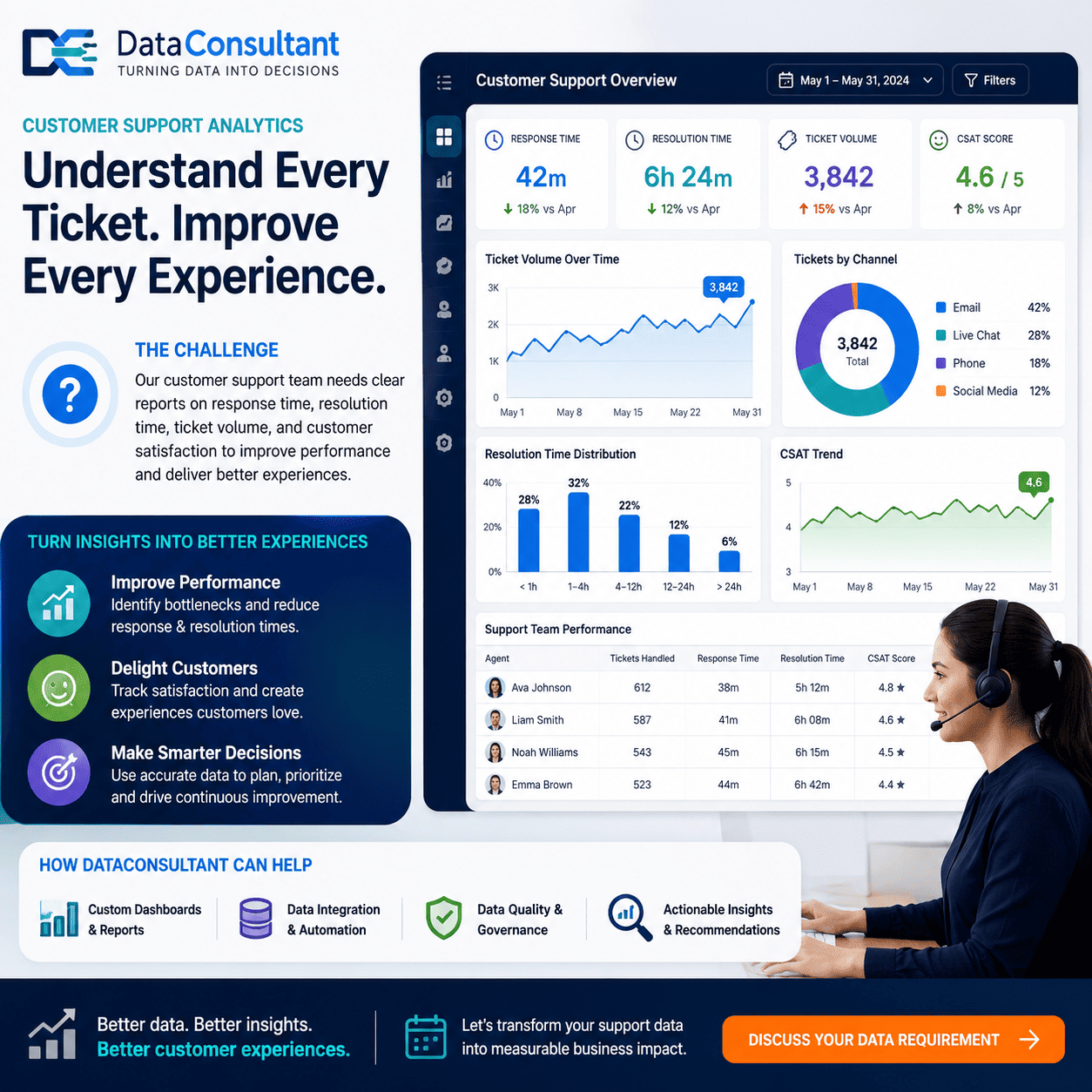
A finance data academy usually needs six tool groups: analysis tools, data-access tools, reporting tools, engineering tools, governance controls, and learning-delivery tools. A compact programme may begin with Excel, SQL, Power BI, a governed training dataset, a learning platform, and a shared repository. More advanced programmes may add Python, notebooks, cloud data warehouses, dbt, Git, data catalogues, data-quality monitoring, forecasting libraries, and controlled AI assistants.
Use a short diagnostic when finance reports disagree, data quality is uncertain, or stakeholders are discussing platforms before defining requirements. Use a defined project when the academy scope, learner groups, curriculum, environments, controls, and pilot outputs can be specified. Choose ongoing support only when coaching, curriculum updates, data-product changes, governance reviews, or specialist mentoring are genuinely recurring.
Do not hire a consultant before defining the business decision or operational problem. The toolset should follow the capability gap: reporting literacy, financial modelling, data engineering, governance, forecasting, or AI readiness.
Key Takeaways
- Start with finance decisions: choose tools around reporting, planning, control, forecasting, and management needs.
- Check data readiness: training fails when source data, KPI definitions, access, or ownership remain unreliable.
- Keep internal ownership: finance, data, technology, risk, and learning leaders must own priorities and approvals.
- Scope the environment: define licences, sandboxes, datasets, integrations, support, and acceptance criteria.
- Build governance into learning: privacy, security, segregation of duties, and responsible AI should be practised, not added later.
- Expect usable deliverables: curriculum maps, labs, datasets, role pathways, documentation, assessment rubrics, and handover materials.
- Plan knowledge transfer: the academy should leave internal trainers and managers able to sustain the capability.
Table of Contents
- The finance data academy tool stack
- Choose tools by decision, not popularity
- Check finance data readiness first
- Internal, tool-only, diagnostic, or consulting
- Access, stakeholders, and technical requirements
- Cost, timeline, and resource drivers
- Practical finance academy examples
- Expected deliverables and measurement
- When specialist support is appropriate
- Summary
The Finance Data Academy Tool Stack
The core stack should cover the complete learning journey from raw finance data to a controlled business decision. The exact products can vary, but every category has a distinct role.
Spreadsheets and financial modelling
Excel or an equivalent spreadsheet remains useful for reconciliations, variance analysis, scenario models, management packs, and explaining calculation logic. It is especially suitable for early learners because formulas are visible. The risk is uncontrolled copies, hidden assumptions, broken links, and manual refreshes. A finance academy should therefore teach structured tables, validation, documented assumptions, review checks, and clear ownership rather than only advanced formulas.
SQL and governed data access
SQL helps finance analysts retrieve, join, filter, and aggregate data without depending on repeated manual extracts. Training should use read-only access, masked or synthetic data, approved views, query limits, and a documented semantic layer where possible. SQL capability is valuable only when learners understand accounting periods, currencies, entity structures, chart-of-accounts logic, and the meaning of each field.
Business intelligence and dashboards
Power BI, Tableau, Looker, or another business-intelligence platform can support interactive management reporting, drill-down analysis, governed metrics, and scheduled distribution. Microsoft describes Power BI as a platform for connecting, analysing, and sharing insights, including finance-oriented reporting scenarios. See the official Power BI documentation.
A dashboard tool should not become the curriculum. Learners also need metric definitions, dimensional modelling, visual design, access control, refresh monitoring, validation, and a process for retiring misleading reports.
Python, R, and notebooks
Python or R becomes useful for repeatable data preparation, statistical analysis, forecasting, anomaly detection, and larger datasets. Jupyter or managed notebook environments make logic reviewable and support practical labs. Finance users do not all need to become software engineers. Role pathways can separate consumers, report builders, analysts, analytics engineers, and advanced modellers.
Cloud data platforms and pipelines
A mature academy may include a data warehouse, lakehouse, ETL or ELT tools, orchestration, data modelling, and transformation workflows. Examples include Microsoft Fabric or Azure, Google BigQuery, AWS services, Snowflake, Databricks, and dbt. Platform choice should match the organisation’s actual architecture. Training on a disconnected demonstration stack may create skills that cannot be applied safely at work.
Governance, quality, and collaboration
Git or another version-control system supports controlled changes to code and analytical assets. Data catalogues, lineage tools, data-quality checks, issue registers, approval workflows, and documentation repositories help learners understand how a reliable output is maintained. The ISO 8000 overview for data quality provides useful context for treating quality as a managed discipline rather than an occasional cleansing exercise.
Learning and assessment tools
A learning-management system can organise modules, enrolment, progress, assessments, and evidence of completion. Virtual labs or sandbox environments allow practice without exposing production systems. Teams may also use recorded demonstrations, office hours, peer review, practical assignments, skills matrices, and manager sign-off. Completion rates alone are weak evidence; assessments should test whether learners can produce a correct, explainable, and controlled finance output.
Choose Tools by Finance Decision, Not Popularity
The best toolset is the smallest combination that enables the required finance decisions safely. Begin with a capability map rather than a vendor list.
| Finance need | Useful tool categories | Required foundation | Main risk |
|---|---|---|---|
| Management reporting | Excel, SQL, BI platform, semantic model | Agreed KPIs, calendar, entities, ownership | Automating inconsistent definitions |
| Planning and forecasting | Spreadsheet models, Python or R, planning platform | Reliable historical data and assumptions | False precision and weak validation |
| Reconciliation and controls | SQL, workflow tools, data-quality rules, audit logs | Control objectives and source-system mapping | Bypassing segregation of duties |
| Self-service analysis | BI, catalogue, governed datasets, collaboration tools | Role-based access and data literacy | Multiple versions of the truth |
| Advanced analytics or AI | Python, notebooks, feature pipelines, model monitoring | Clear use case, quality data, governance | Starting before data readiness |
A finance academy should therefore teach both the tool and the decision context. A learner who can build a visual but cannot explain the metric, source, control, or limitation has not yet developed decision-ready capability.
Check Finance Data Readiness Before Training
Data quality often determines the real cost and pace of an academy. A curriculum built on clean demonstration data can create false confidence when production data contains duplicate suppliers, inconsistent customer identifiers, late postings, missing dimensions, multiple currencies, manual journals, or conflicting revenue rules.
Before selecting tools, assess five areas:
- Business clarity: which decisions and finance processes should improve?
- Data quality: are completeness, accuracy, timeliness, consistency, and traceability adequate?
- Access: can learners use safe, representative data without exposing confidential information?
- Governance: who defines metrics, approves access, validates outputs, and manages changes?
- Internal ownership: who will maintain content, environments, licences, and coaching after launch?
A short data assessment or audit may be sufficient when these answers are unclear. It can prevent a costly platform-led programme that teaches users to reproduce existing data problems more quickly.
Internal Team, Tool Purchase, or Consulting?
The correct option depends on problem clarity, internal capability, continuity, and the amount of change required. A tool purchase is not a substitute for requirements, governance, or learning design.
| Option | Best fit | Expected output | Main risk |
|---|---|---|---|
| Internal team | Clear need, accessible data, capable trainers, limited scope | Focused curriculum using existing platforms | Operational work displaces academy delivery |
| Software tool | Requirements and metrics are already defined | Functionality, licences, environment, standard learning content | Low adoption or configuration without governance |
| Short data diagnostic | Conflicting reports, uncertain quality, unclear priorities | Maturity findings, role map, tool gaps, prioritised roadmap | Recommendations are not implemented |
| Defined consulting project | Academy design, pilot, labs, controls, and handover can be scoped | Curriculum, datasets, environments, pilot, documentation | Scope expands without change control |
| Ongoing consultant support | Continuous coaching, updates, governance, and specialist input | Regular mentoring, curriculum refresh, quality review | Dependence without knowledge transfer |
| Dedicated specialist or managed team | Substantial recurring demand across several data disciplines | Predictable capacity, programme management, specialist coverage | Weak internal sponsorship and unclear priorities |
Use internal staff when the business question is well defined and the organisation can allocate ownership. Buy or configure a tool when the main gap is functionality. Use a diagnostic when the problem itself is uncertain. Use a defined project when outputs can be accepted against clear criteria. Choose ongoing or managed support only for a genuinely continuous need.
Access, Stakeholders, and Technical Requirements
A finance data academy needs controlled participation from finance, data, technology, risk, security, privacy, learning and development, and relevant business units. The programme sponsor should decide which outcomes matter. Finance subject-matter experts should validate definitions and exercises. Data and technology teams should provide safe environments and explain architecture. Security and privacy teams should approve access, masking, retention, and tool use.
Prepare the following before implementation:
- A role and learner matrix covering executives, finance users, analysts, engineers, and administrators.
- A prioritised list of finance decisions, reports, controls, and analytical use cases.
- A source-system inventory, data dictionary, KPI definitions, lineage information, and known quality issues.
- Representative training data that is synthetic, anonymised, masked, or otherwise approved.
- Sandbox access, licence assumptions, identity management, logging, and support procedures.
- Named content approvers, technical owners, governance owners, and internal trainers.
- Assessment criteria, pilot success measures, feedback routes, and a maintenance owner.
Where AI assistants, forecasting models, or machine learning are included, the academy should teach use-case boundaries, human review, evidence, monitoring, and risk ownership. The NIST AI Risk Management Framework provides a voluntary structure for managing AI risks. It should inform governance discussions rather than being presented as a guarantee of safety or compliance.
Cost, Timeline, and Resource Drivers
Finance data academy costs are influenced more by scope and readiness than by the number of training hours. A narrow Excel-to-Power-BI pathway using existing data and internal trainers can be relatively contained. A multi-role academy covering data engineering, governance, forecasting, AI readiness, controlled cloud labs, certification, and global cohorts requires more discovery, platform work, content design, support, and quality assurance.
Major cost drivers include learner numbers, role pathways, curriculum depth, source-system complexity, data preparation, sandbox infrastructure, licences, integration, security review, localisation, assessment design, live coaching, documentation, accessibility, and ongoing maintenance. Internal stakeholder time is also a real resource requirement.
A small diagnostic may take a few weeks when access and stakeholders are available. A defined academy pilot often requires several phases: discovery, curriculum and environment design, data preparation, content production, technical testing, facilitator preparation, pilot delivery, evaluation, and handover. Wider rollout should follow evidence from the pilot rather than a fixed calendar promise.
Agree a commercial model that matches the work: fixed fee for a defined diagnostic or pilot, time and materials for uncertain discovery, a dedicated specialist for embedded delivery, or an ongoing advisory arrangement for continuing support. The statement of work should identify assumptions, third-party costs, client dependencies, acceptance criteria, revision cycles, and exit requirements.
Practical Finance Academy Examples
Conflicting revenue and customer reports
An ecommerce finance team assumes it needs a new dashboard. Finance, marketing, and commerce systems report different revenue, refunds, and customer counts. The actual problem is inconsistent definitions, timing rules, identifiers, and data lineage. A short diagnostic is the better first decision. Likely deliverables include a KPI dictionary, source-to-report map, quality findings, ownership model, and prioritised pilot. Finance and marketing leaders must agree definitions; data engineers must expose reliable fields. Specialist guidance may help reconcile requirements before any BI training begins.
Manual management reporting
A professional-service company relies on linked spreadsheets and monthly copy-and-paste work. Management assumes Python training is the answer. The immediate need is a controlled reporting process, source mapping, repeatable transformations, and clearer review checks. A defined project may combine SQL, Power Query or an ETL tool, Power BI, version control, and a practical academy pathway. Finance provides report logic and acceptance tests; technology supports access and deployment. The outcome should be a documented process and internal capability, not merely a redesigned dashboard.
Inconsistent KPIs across locations
A multi-location business wants self-service analytics but each region calculates margin, labour cost, and productivity differently. Purchasing more licences would scale the inconsistency. The better decision is to establish a KPI framework, semantic model, governance forum, and controlled dataset before broad training. Deliverables may include definitions, decision rights, model documentation, regional exception rules, and a pilot curriculum. Local finance managers must participate because central technical teams cannot resolve business definitions alone.
Predictive analytics before reliable collection
A startup wants forecasting and AI training while product, billing, and customer-success data are incomplete and identifiers change frequently. The actual requirement is data collection, event definitions, quality monitoring, and ownership. The right choice may be to delay advanced analytics, run a limited readiness assessment, and launch a small reporting improvement first. Specialist support can define a phased roadmap, but internal product and engineering teams must own instrumentation and ongoing quality.
Expect Decision-Ready Deliverables and Handover
A professional engagement should produce artefacts the organisation can inspect, use, and maintain. For a diagnostic, expect a maturity assessment, capability map, tool and environment review, risks, prioritised use cases, and roadmap. For a defined project, expect a curriculum architecture, role pathways, lesson plans, practical labs, approved datasets, assessment rubrics, facilitator guides, technical runbooks, governance controls, pilot results, and handover.
Quality assurance should test both learning and technical reliability. Review whether exercises use correct finance logic, datasets refresh predictably, access controls work, answers can be validated, instructions are reproducible, and outputs show assumptions and limitations. Version-controlled source files and a completed-work register reduce dependence on individual consultants.
Measure outcomes at three levels:
- Participation: enrolment, completion, attendance, and learner feedback.
- Capability: practical assessment results, correct use of governed data, and demonstrated role-specific skills.
- Operational application: adoption of approved reports, reduced avoidable rework, better issue escalation, and stronger documentation where these can be measured responsibly.
Do not promise guaranteed productivity, savings, forecast accuracy, or data quality. Establish a baseline, define observable behaviours, and review whether learners can apply the capability safely in real finance work.
When Specialist Data Support Is Appropriate
External support is appropriate when the organisation needs an independent data maturity view, finance and technical requirements must be reconciled, the academy requires several disciplines, or internal teams lack time to design controlled environments and practical content. It is also useful when a platform migration, data warehouse programme, governance initiative, or AI-readiness programme must be connected to role-based capability building.
DataConsultant can support a short diagnostic through its data advisory service, scoped implementation through data analytics consulting and data engineering support, governance design through its data governance service, and capability building through the DataConsultant academy service. A dedicated specialist or managed data and AI team is relevant only when demand is substantial and continuing.
The engagement should still retain internal ownership. Finance leaders must own business definitions, technology teams must own platform decisions and access, and named internal trainers or managers should receive documentation and knowledge transfer.
Summary
The tools used in a finance data academy commonly include spreadsheets, SQL, business-intelligence platforms, Python or R, notebooks, cloud data platforms, transformation tools, version control, data catalogues, data-quality controls, secure sandboxes, and learning-management systems. The correct combination depends on the decisions learners must support and the organisation’s data maturity.
Internal staff may be sufficient when requirements, data, and capability are clear. A software tool may be sufficient when the process and metric definitions are already settled. Use a short diagnostic when teams disagree, reports conflict, or data quality is uncertain. Use a defined project when the curriculum, environments, pilot, documentation, and handover can be scoped. Choose ongoing support or a managed team only where specialist demand is genuinely continuous.
Before committing, validate business goals, data quality, access, governance, security, internal ownership, scope, budget, timeline, documentation, quality assurance, knowledge transfer, and handover. The best next step may be a limited discovery phase, a small reporting improvement, a phased roadmap, an internal hire, a hybrid team, or delaying advanced analytics and AI until the foundation is ready.
FAQs About Finance Data Academy Tools
What tools are used for data academy in finance?
A finance data academy commonly uses Excel, SQL, a BI platform such as Power BI or Tableau, Python or R for advanced analysis, notebooks, governed finance datasets, cloud data platforms, version control, data-quality tools, secure sandboxes, and a learning-management system. Select only tools that support defined finance decisions, controls, and learner roles.
Does every finance learner need SQL and Python?
No. Executives and report consumers may need data literacy, KPI interpretation, and governance awareness. Report builders may need spreadsheets, SQL, and BI. Advanced analysts may need Python or R. Define role pathways so training depth matches actual responsibilities and access.
Can a BI platform replace a finance data academy?
No. A BI platform provides functionality, but an academy develops decision skills, metric understanding, quality practices, governance, and adoption. A tool can be enough when definitions, data, processes, and internal capability are already mature; otherwise it may automate confusion.
What information should be prepared before the academy starts?
Prepare target decisions, learner roles, source-system details, KPI definitions, known data issues, access rules, representative datasets, platform architecture, security requirements, internal owners, and pilot success measures. Confirm who can approve finance logic and who will maintain the programme.
How much does a finance data academy cost?
Cost depends on learner numbers, curriculum depth, tools, licences, data preparation, sandboxes, integrations, security review, assessment, coaching, localisation, and maintenance. Compare scopes rather than headline fees, and include internal stakeholder time and third-party platform costs.
How long does a finance data academy project take?
A limited diagnostic may take a few weeks. A defined pilot usually needs discovery, curriculum design, environment setup, data preparation, testing, delivery, evaluation, and handover. Wider rollout should depend on pilot evidence, stakeholder availability, and technical readiness rather than a guaranteed date.
How should sensitive finance data be handled in training?
Use synthetic, masked, anonymised, or otherwise approved datasets where possible. Apply role-based access, least privilege, logging, retention rules, segregation of duties, and secure sandboxes. Privacy, security, finance control, and legal stakeholders should approve the approach before learners receive access.
What deliverables should a consultant provide?
Expect a capability assessment, curriculum map, role pathways, practical labs, governed datasets, environment design, assessment rubrics, facilitator materials, technical runbooks, governance controls, pilot findings, source files, and handover documentation. Acceptance criteria and revision cycles should be agreed in the statement of work.
When is ongoing finance data academy support appropriate?
Ongoing support is appropriate when platforms, reports, governance requirements, learner cohorts, and analytical methods change continuously. It should include curriculum maintenance, coaching, quality review, and knowledge transfer. Avoid permanent dependence by retaining internal owners and trainers.
Can a finance data academy prepare a business for AI?
Yes, but only as part of a broader readiness programme. Learners need reliable data, documented use cases, governance, privacy and security controls, human review, and monitoring. Delay advanced AI modules when collection, quality, ownership, or decision processes are not yet stable.
Define the Right Finance Data Academy
Share the finance decisions, learner roles, current tools, source systems, data-quality concerns, governance requirements, and internal capacity. DataConsultant can help determine whether you need a short diagnostic, a defined academy project, ongoing specialist support, or a managed data and AI team.
Discuss your requirementAt DataConsultant.in, we help organisations turn data and AI priorities into governed, reliable, and practical business capability.